


Dear friends of GCMD,
From where the communications team sits—right in the middle of the office—the buzz of activity is palpable this quarter.
Project CAPTURED achieved two important regulatory milestones: the formal recognition of captured CO2 under the EU ETS and the IMO’s in-principle support for carbon mineralisation. Together, they strengthen the commercial and regulatory case for onboard carbon capture and move the industry closer to a workable blueprint for the full OCCS value chain.
On the operational front, we also launched a pilot with BHP to bunker a biodiesel blend containing prescribed proportions of used cooking oil- and tallow-derived fuels.
This quarter, we also welcomed the Development Bank of Japan as our latest Impact partner, an important step in expanding our engagement with the financial community.
Looking ahead, we have two reports in the pipeline: one on quantity assurance in marine biofuel supply chains, and another developed with BCG on how regulations and fuel economics could shape the future bunkering landscape. We look forward to sharing the findings and the implications for the industry’s fuel transition.
Thank you, as always, for your continued support and partnership.
With best wishes from the communications team,
Xingti, Christine, and Claudia
GCMD | Announces
Catch up our latest announcements:
• 28 Jul – GCMD welcomes Development Bank of Japan Inc. as our newest Impact partner
• 22 Jul – Project CAPTURED advances regulatory pathways for onboard captured CO2
• 3 Jun – BHP and GCMD trial multi-feedstock B100 blend in an existing supply chain
GCMD | Distills
Q&A with Dr Prapisala THEPSITHAR: Inside the BHP-GCMD’s multi-feedstock bio-blend trial
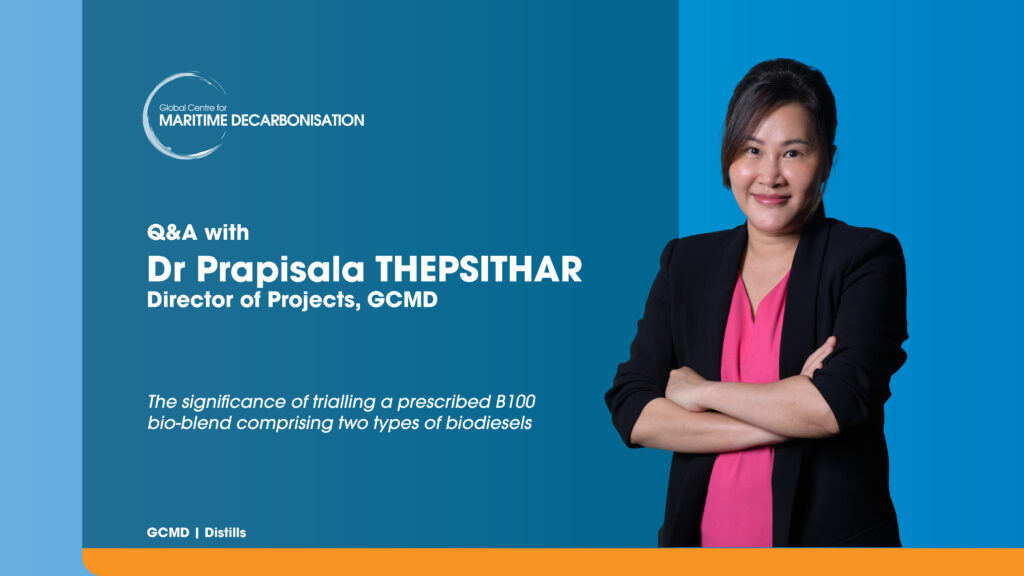
Blending biodiesels from different feedstocks is not as straightforward as it sounds.
The precise amount of each component—in this case, used cooking oil-derived and tallow-derived biodiesel—has direct implications for GHG emissions reporting, onboard handling, and regulatory compliance.
To unpack what makes this trial technically significant, we sat down with Dr Prapisala THEPSITHAR.
- Why does the exact amount of each biodiesel in the blend matter?
- How does the blend ratio affect GHG emissions reporting?
- What does this mean for onboard operations?
- How are we verifying the composition of the bio-blend?
- What does this trial mean for shipowners and operators?
Click here to read the full Q&A!
GCMD Partners’ Webinar: “Evolution of New Fuels Bunkering Landscape”
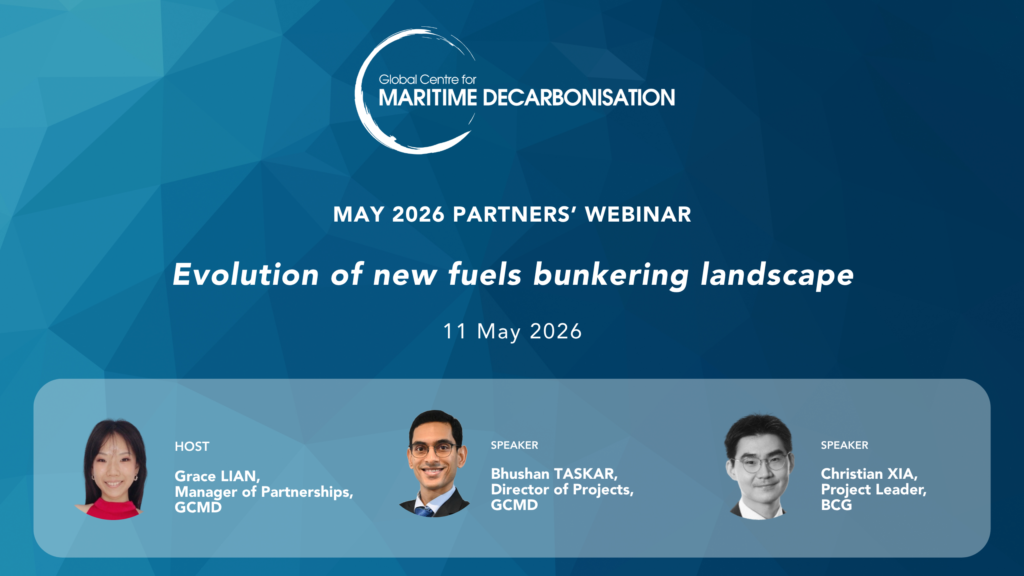
Ahead of its official launch, GCMD and BCG shared early findings from our latest joint report at GCMD’s Partners’ Webinar. The session explored how the transition to new fuels is shaping global bunkering demand and supply—and what this means for ports, shipowners and operators, regulators, and investors preparing for the future fuel landscape.
GCMD | Shares
In the news: Decarbonisation must turn pragmatic amid headwinds
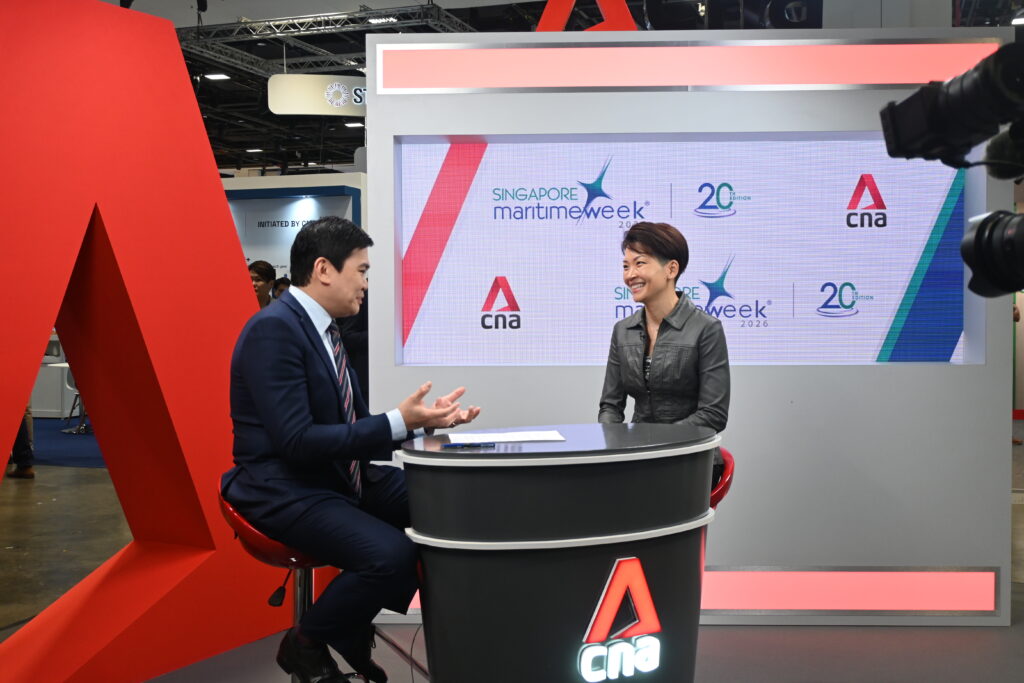
On the sidelines of Singapore Maritime Week, GCMD CEO Professor Lynn LOO spoke to CNA on the need for a more pragmatic approach to maritime decarbonisation. She highlighted the importance of balancing decarbonisation ambitions with commercial realities while continuing to advance practical solutions that can be deployed at scale today.
Watch the interview here!
Read about GCMD in the news:
From emissions transparency and green fuel verification to energy efficiency strategies and scaling carbon capture at sea, GCMD’s work is drawing attention across the global industry press.
Read selected coverage from around the world.
• Ports & Harbors, 3 Apr – Scaling carbon capture at sea
• Le Monde, 22 Jul – Singapour, principal point de passage entre l’océan Indien et le Pacifique, déploie son hyperpuissance portuaire
• Manifold Times, 7 Apr – APM 2026: Emissions transparency and verification key to building trust in green marine fuels, says GCMD
• S&P Global, 6 Apr – INTERVIEW: Energy efficiency tops shipping’s decarbonization strategy: GCMD Director
GCMD | Reports
Two new reports are underway:
Quantity assurance in marine biofuel supply chains
As biofuel blends become more common in shipping, knowing exactly how much fuel was delivered—and how much of it is genuinely renewable—is critical, as this underpins the green premium paid and supports GHG accounting, sustainability reporting, and regulatory compliance. This report examines how the renewable fraction can be independently verified, how measurement uncertainty should be interpreted, and how normal analytical variation can be differentiated from discrepancies that warrant further investigation.
Navigating the maritime fuel transition
Developed in collaboration with BCG, this report takes a scenario-based look at how the interplay between regulation and fuel economics could shape the choices shipowners make—from the fuels they adopt to the engines they invest in—and what that means for where and how bunkering infrastructure develops.
GCMD | Attends
GCMD at Singapore Maritime Week 2026
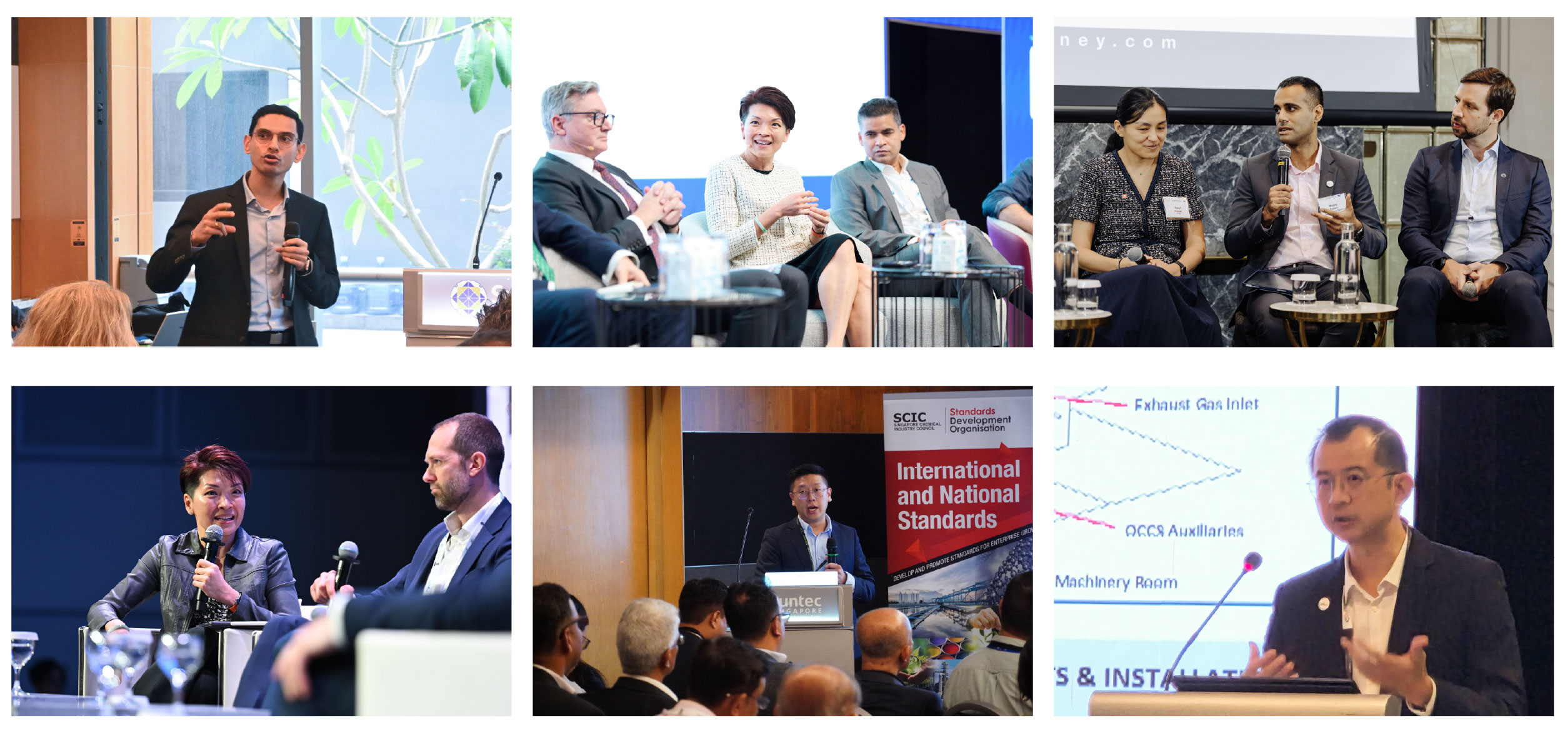
Singapore Maritime Week may be a few months behind us, but for the GCMD team, it was one to remember.
Colleagues took to the stage across multiple conferences and forums, sharing findings and practical learnings from GCMD’s pilots and studies—spanning ammonia bunkering, biofuels, onboard carbon capture, energy efficiency technologies, and the broader fuel transition.
After the week wrapped up, the team regrouped to reflect on the conversations and themes that had surfaced. The result was a short reflections piece capturing what stood out—chief among them, the growing call for a more pragmatic approach to decarbonisation as economic and geopolitical realities continue to evolve.
Catch the highlights and event recaps on our LinkedIn page, and click here to read our reflections piece.
We will be out and about over the coming months. Here is where we are headed.
Catch up with us if you are at the following events!
- 14 Aug – IES Technical Seminar
- 24-26 Aug – ONS
- 1 Sep – NUS Course – Hydrogen and Low Carbon Technologies: Industry Perspectives
- 2 Sep – 6th Maritime Leadership Programme 2026
- 17 Sep – IMO Technical Seminar on The Use of Ammonia as a Marine Fuel
- 21 Sep – IMO Research and Development Forum – From Fossil to Future: Marine Pollution Preparedness in the Age of Alternative Fuels
- 23 Sep – SpillAsia 2026
FEET recognised with Marine Money’s Wild Card East Deal Award!
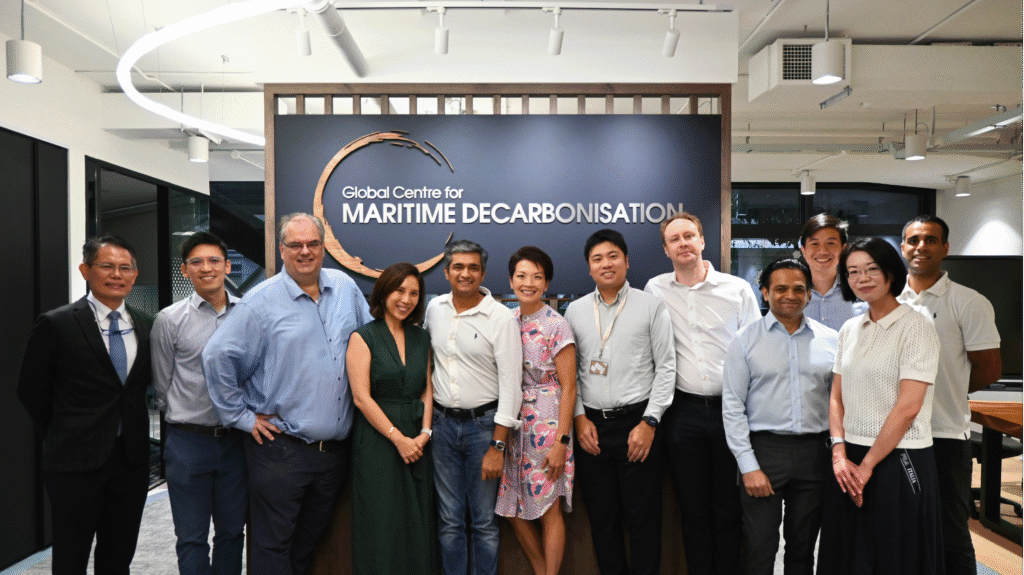
Thrilling news! The Fund for Energy Efficiency Technologies (FEET) has received Marine Money’s Wild Card East Deal Award, which recognises deals that are unique and different from the typical transactions covered by Marine Money’s award categories.
Developed through a collaboration between GCMD, AIM Horizon Investments, Development Bank of Japan Inc., ING, and DBS Bank, FEET was launched as a first-of-its-kind fund that makes energy efficiency retrofits on ships investable through a pay-as-you-save payment mechanism that is tied to verified fuel and regulatory savings.
By combining high-resolution operational data with a blended investment structure, FEET aims to address long-standing barriers, including performance uncertainty, retrofit financing and split incentives.
Read more here!
Building stronger teams through Improv
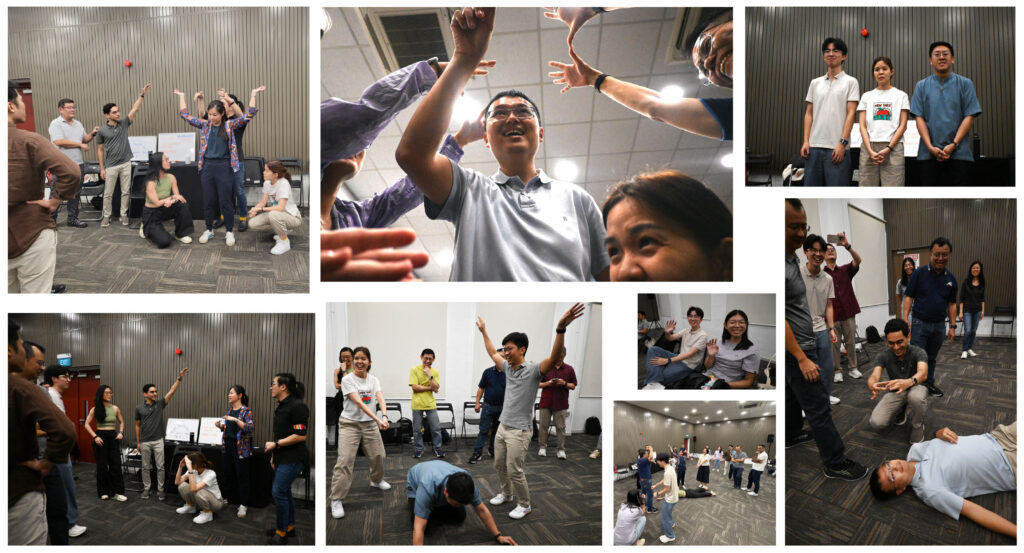
Team GCMD recently came together for a workshop—The Improv Way, inspired by the principles of improvisational theatre.
At the heart of improv is a deceptively simple idea: “Yes, and.” Rather than shutting down what someone else brings to the table, you accept it and build on it—staying present, leaning into trust, and being willing to go somewhere unexpected together. As it turns out, these are also pretty useful principles for a team navigating a complex and fast-moving space.
